

️(c) ADT Touraine, JC Coutand
The Loire Valley may be famous for its fairytale châteaux, elegant vineyards and rolling country side, but on my latest visit I found myself falling for something rather less obvious. Beneath all that Renaissance grandeur is a region quietly embracing sustainable living. Centuries-old estates garden organically, vineyards work with nature rather than against it and local food is celebrated at every opportunity. And you can even sleep in an uber-comfortable, totally unique tree house.
The Greenest Château
If one château perfectly sums up the Loire Valley, it's Château de Villandry (www.chateauvillandry.fr). While many of the region's castles impress through sheer grandeur, Villandry charmed me with its elegance. Approaching along the tree-lined drive, its honey-coloured Renaissance façade glowed in the sunshine, but it was what lay beyond that truly stole the show - the gardens are simply breathtaking.
Built in 1536 by Jean Le Breton, finance minister to King François I, Villandry was designed as a refined country residence rather than a fortress. Inside, beautifully furnished rooms, tapestries and antiques offer a glimpse into aristocratic life, but I found myself drawn outdoors. From the terrace, the view is breathtaking. Ornamental vegetable gardens form intricate geometric patterns, colourful borders burst into bloom, and peaceful water gardens stretch into the distance.
It's almost impossible to believe somewhere so meticulously maintained can also be so environmentally friendly. Yet that's exactly what makes Villandry so remarkable. Garden waste is composted to nourish the soil naturally, beneficial insects helpcontrol pests, and careful crop rotation keeps everything flourishing with minimal chemical intervention. Walking among the herbs, vegetables and flowers, accompanied by bees, butterflies and birdsong, I realised these weren't simply beautiful gardens – they were a thriving ecosystem. Villandry proves that preserving history and protecting nature can go hand in hand.
The Greenest Vineyard
The Loire has been producing wine for centuries, but I was fascinated to discover how many vineyards are now embracing organic and biodynamic farming.
Domaine Huet (www.domainehuet.com) near Vouvray is one of the pioneers. Before I'd even tasted the wine, I noticed the wildlife. Wildflowers carpeted the ground between the vines, insects buzzed happily in the summer sunshine, and there was an unmistakable feeling that nature was very much in charge. The estate has farmed biodynamically for decades, treating the vineyard as one complete ecosystem. Healthy soils, biodiversity and natural composts are all part of producing grapes that genuinely express their surroundings.
Standing among the Chenin Blanc vines with chalky limestone beneath my feet and endless rows stretching across the landscape, each element felt perfectly in tune. The wine tasting was the perfect finale. Enjoying a chilled glass of crisp, mineral-rich Vouvray overlooking the vineyard, I couldn't imagine a more fitting expression of the Loire Valley. Sustainability, I discovered, tastes pretty good too.
The Greenest Market
One of the simplest pleasures of my trip turned out to be one of the most memorable. Ambling around the bustling market in Amboise (www.amboisevaldeloire.com/marche-damboise), I found colourful stalls piled high with tomatoes, asparagus, peaches, cherries and fragrant herbs - much of it harvested only hours earlier. Local cheesemakers proudly offered creamy Sainte-Maure-de Touraine goat's cheese while beekeepers chatted enthusiastically about this year's honey. There was a refreshing lack of unnecessary packaging and an obvious pride in everything on sale. Shopping here isn't about convenience – rather, it's about supporting local producers and celebrating the seasons.
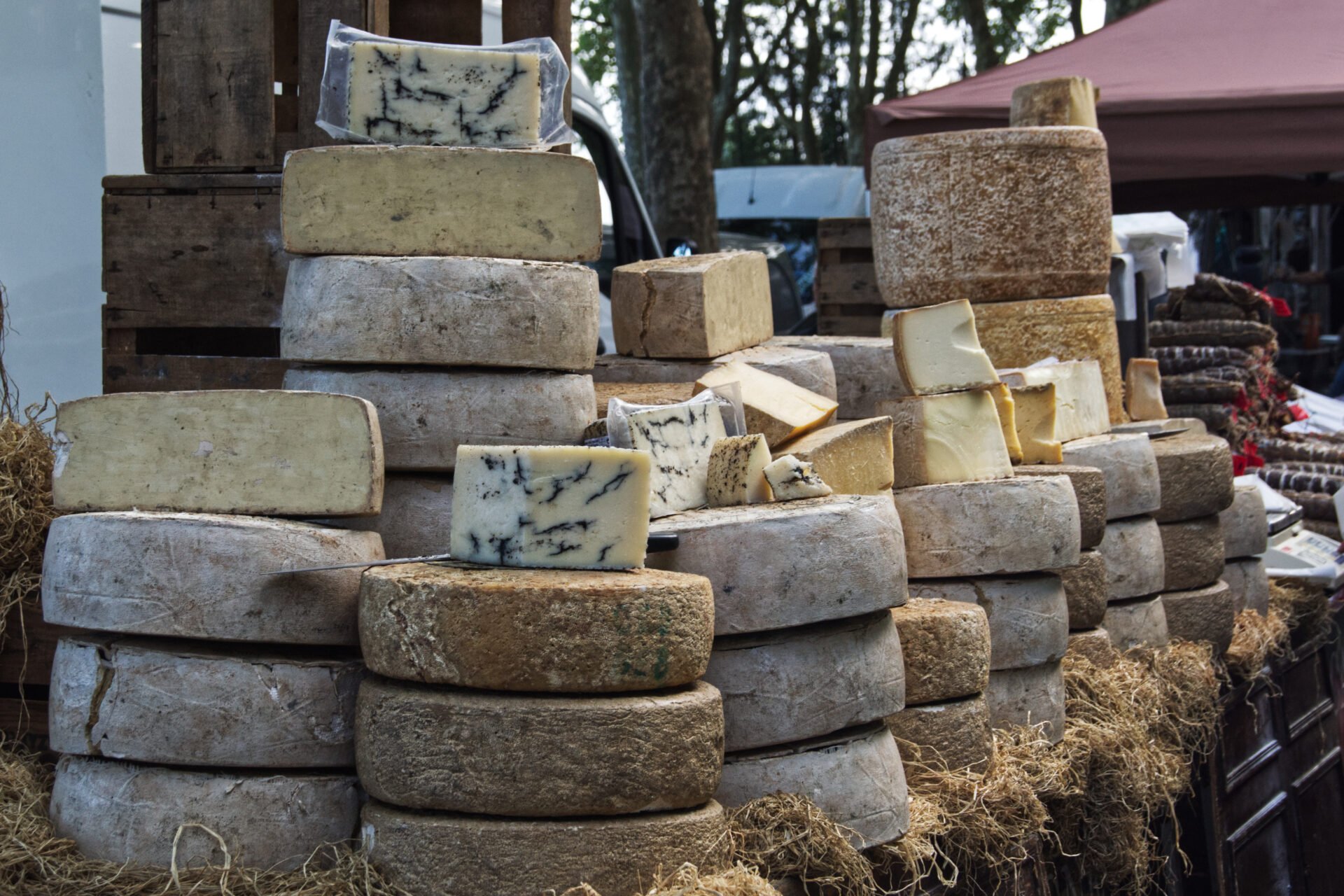
I bought fresh bread, goat's cheese, ripe fruit and a bottle of sparkling Vouvray before wandering down to the banks of the Loire for an impromptu picnic. Watching cyclists drift past on the Loire à Vélo trail while enjoying one of the freshest lunches imaginable reminded me that sustainability doesn't always require grand gestures. Sometimes it's simply about eating locally, slowing down and appreciating exactly where your food has come from.
The Greenest City
Tours (www.tours-tourisme.fr/en) may be the Loire Valley's largest city, but it feels wonderfully relaxed. The compact historic centre is made for wandering, with elegant pedestrian streets leading to beautiful Place Plumereau, where medieval timber-framed buildings lean charmingly over bustling cafés and restaurants. Locals seem to cycle everywhere while sleek trams glide quietlyt hrough the city, making getting around effortless.
I spent an afternoon strolling through the truly verdant botanical gardens before following the river. What impressed me most wasn't any one attraction but how naturally sustainability has become woven into everyday life. Independent restaurants champion local produce, public transport is excellent and preserving the city's architectural heritage feels every bit as important as protecting its natural surroundings.
The Greenest Luxury Lodges
The perfect finale came at Loire Valley Lodges (www.loirevalleylodges.com), hidden within 300 hectares of protected woodland just outside Tours.
The 21 contemporary lodges sit high among the trees, carefully positioned to minimise their environmental footprint while allowing guests to feel completely immersed in the forest. The lodges are lovingly decorated individually. My lodge, 'Reflets', was a glorious sunburst of yellow and orange shades – a happy coincidence as orange is my favourite colour.
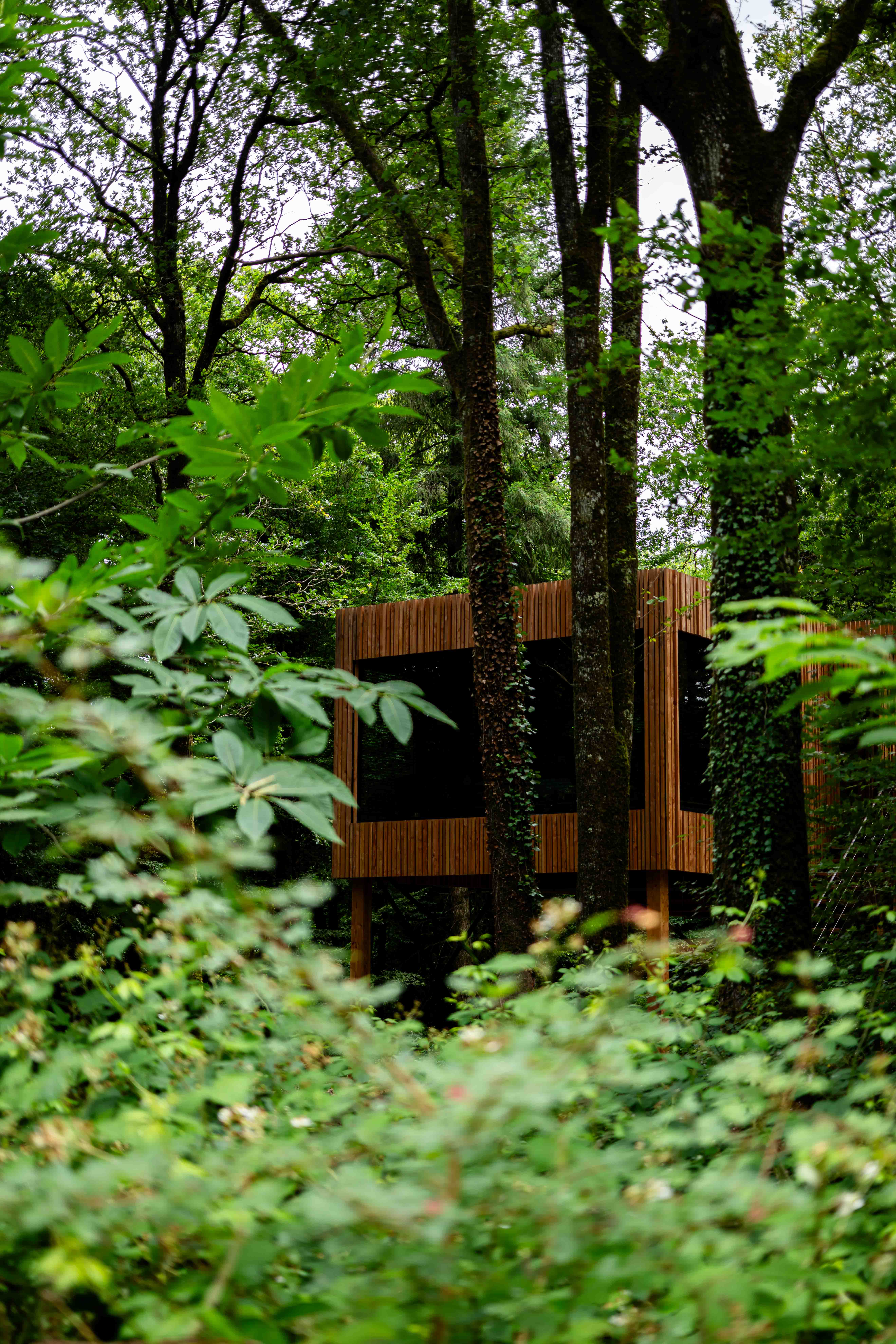
Each lodge contains a collection of works by contemporary artists, juxtaposed with breathtaking views of the forest from the floor-to-ceiling windows, bringing the woodland indoors. However, the private veranda and hottub make it all too tempting to linger outside.
One of the most memorable experiences of my stay was a sound bath inside the estate's remarkable wooden Zome. As crystal singing bowls filled the circular space, I felt myself completely switch off. Afterwards, a leisurely swim in the heated outdoor pool completed my 'wind down', while for the more adventurous, bicycles are available to explore the property.
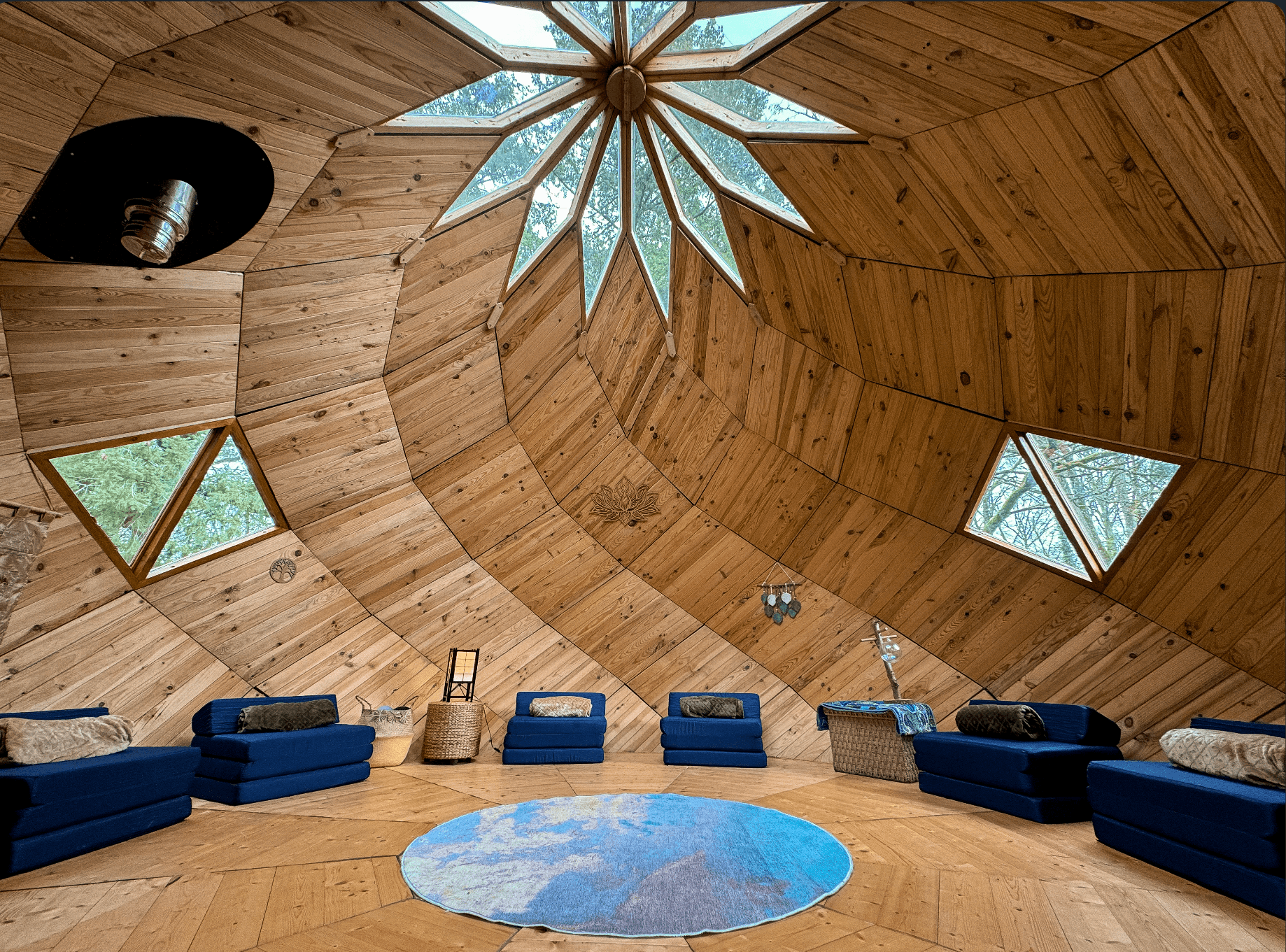
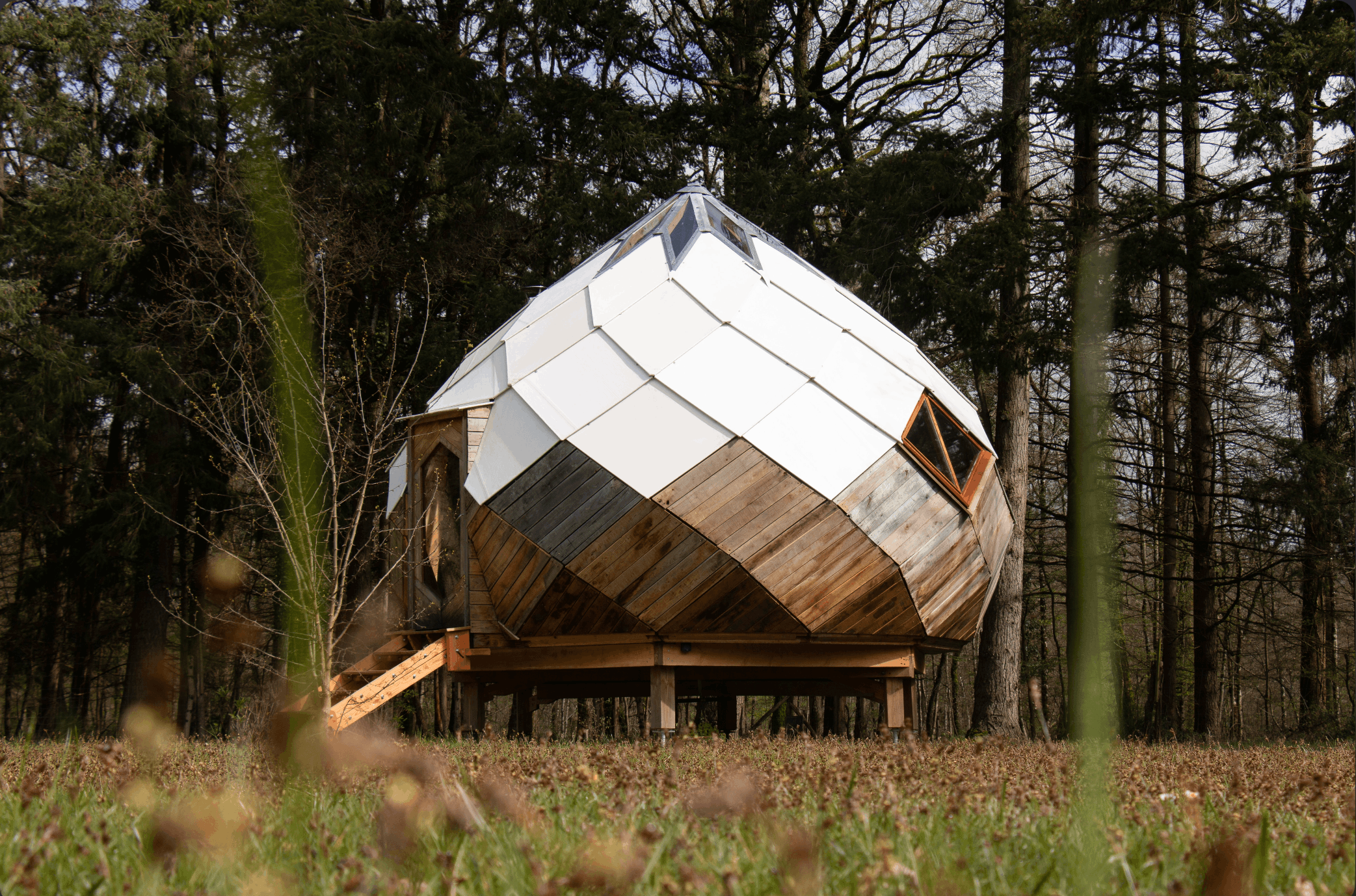
Zome (c) olivia.travers
The estate's sustainability extends to the kitchen, where most of the vegetables, herbs and poultry come directly from its own organically-run farm. Further strengthening LVL's agroecological approach, the farm is also planting a bamboo forest, part of which will be a bamboo collection with a total forest area of 20 hectares open to guests. Menus at the gourmet 'Ardent' restaurant change with the seasons. Every morning started with another delightful surprise. Breakfast arrived in a wicker basket by golf buggy before being hoisted onto my veranda by pulley – a real Rapunzel moment! I enjoyed the sublime warm croissant loaf, homemade preserves, fresh fruit, local cheeses and excellent coffee while watching squirrels dart through the branches overhead.
The Loire Valley is one of those rare places that lingers long after you've arrived home and unpacked your suitcase. Beyond its magnificent châteaux, celebrated vineyards and charming market towns lies a region that has wholeheartedly embraced a more sustainable way of welcoming visitors. Whether it was discovering organic wine producers, browsing stalls piled high with seasonal local produce, visiting a truly'green' city or staying at the wonderfully eco-conscious Loire Valley Lodges - where luxury and environmental responsibility go hand in hand - I found myriad examples of tourism done thoughtfully. I arrived expecting beautiful scenery and left inspired by a destination that proves travelling more sustainably needn't mean compromising on comfort or memorable experiences. If ever there was a place to slow down, relax and reconnect with nature while treading a little lighter on the planet, the Loire Valleyis surely it.
