
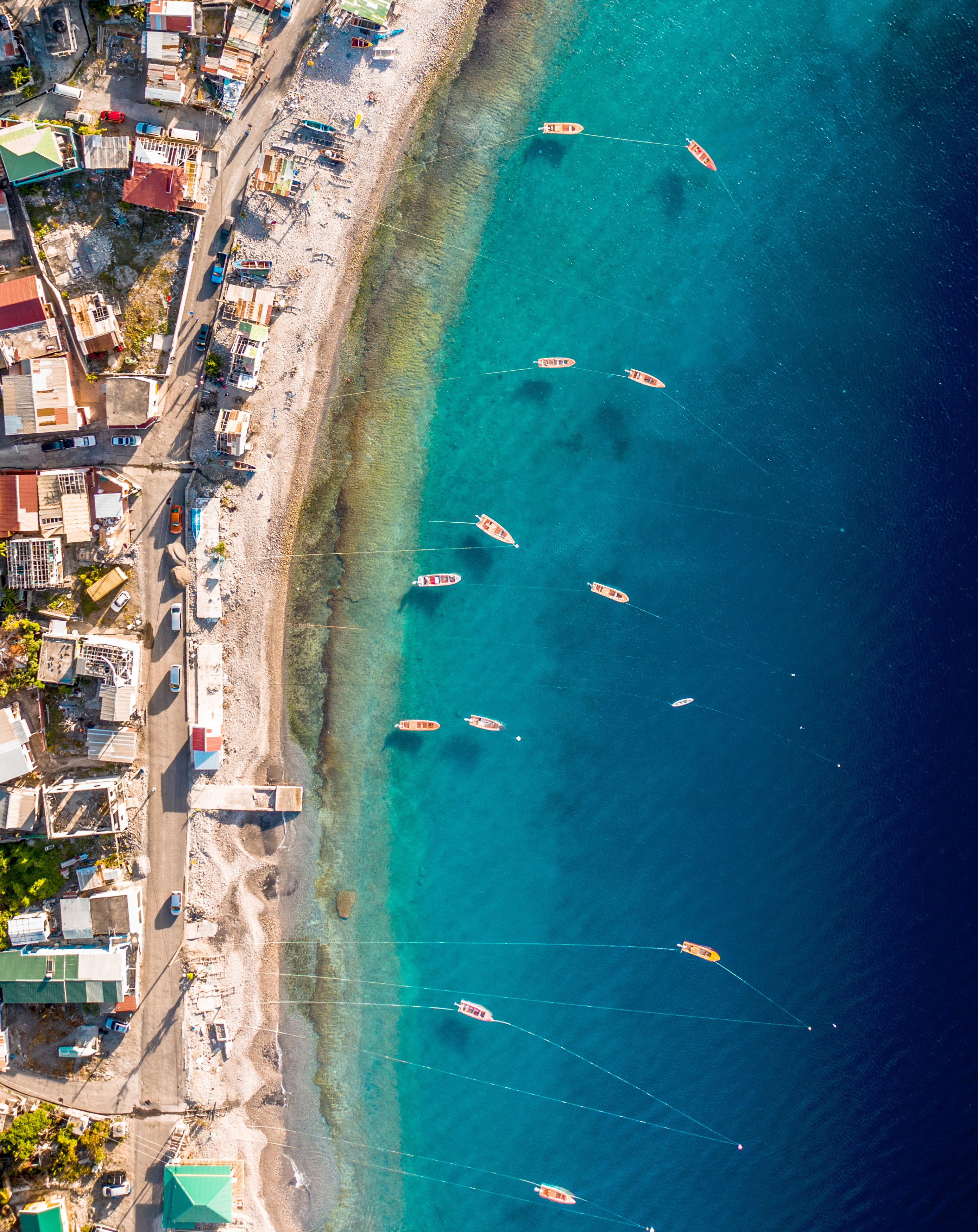
©Scott Sporleder - Dominica beach
WHAT TO SEE AND DO
Natural Wonders
There are 365 rivers, numerous waterfalls and 300 miles of hiking trails through lush rainforest on the island, plus black volcanic and white sand beaches. There are also nine volcanoes, of which just one is currently active. All this adds up to a nature-lover's paradise, an adventure playground, and the perfect unspoilt retreat for those looking to get away from it all in an idyllic tropical setting.
The world's second-largest hot spring lake, Boiling Lake, is a fresh water-filled volcanic crater which at present can be reached on foot via a 3-4-hour challenging hike. The new cable car, which is due to open in October 2026, will transport visitors to the lake in about 20 minutes, making the site accessible to all.
Hiking
Keen hikers can explore some of the island's most challenging walks. The UNESCO listed Morne Trois Pitons National Park dazzles with waterfalls at every twist. Don't miss Emerald Pool - where a 40-foot cascade spills into a hypnotic green plunge pool.
The Waitukubuli National Trail is the longest hiking route in the Caribbean, spanning 115 miles from South to North. Split into 14 segments, you may spot the scarlet bwajab, Dominica's national flower, as wellas parrots, banana quits and colourful hummingbirds.
.jpg)
Take the waters
Swim in the island's magical pools, said to have health-enhancing properties. Titou Gorge is part jungle cathedral, partlava-sculpted tunnel. Formed by lava and rushing water, it's a short swim through echoing rock chambers and towering cliffs. Light slips down the cliff walls in shafts, and you can drift in on an inflatable ring. Stop in the village of Wootton Waven, with hot water pools and tubs filled with sulphur-rich waters bubbling from beneath the earth.
.jpg)
Water sports
The adventurous can try waterfall canyoning and water sports including kayaking, diving, and fishing in Soufriere Bay, where you can also visit lovely Champagne Beach.
Take a whale watching tour to see sperm whales. Dominica is the only place in the world where you can see sperm whales all year round.
Glide down the Indian River - the widest river in Dominica -in a brightly coloured rowing boat as a local guide points out iguanas, herons, crabs and agoutis in the dense jungle. Stop at the Indian River Bush Bar to sample bush teas, local bush rums marinated with herbs and spices, along with fruit juices and the Bush Bar's signature drink, "Dynamite."
.jpg)
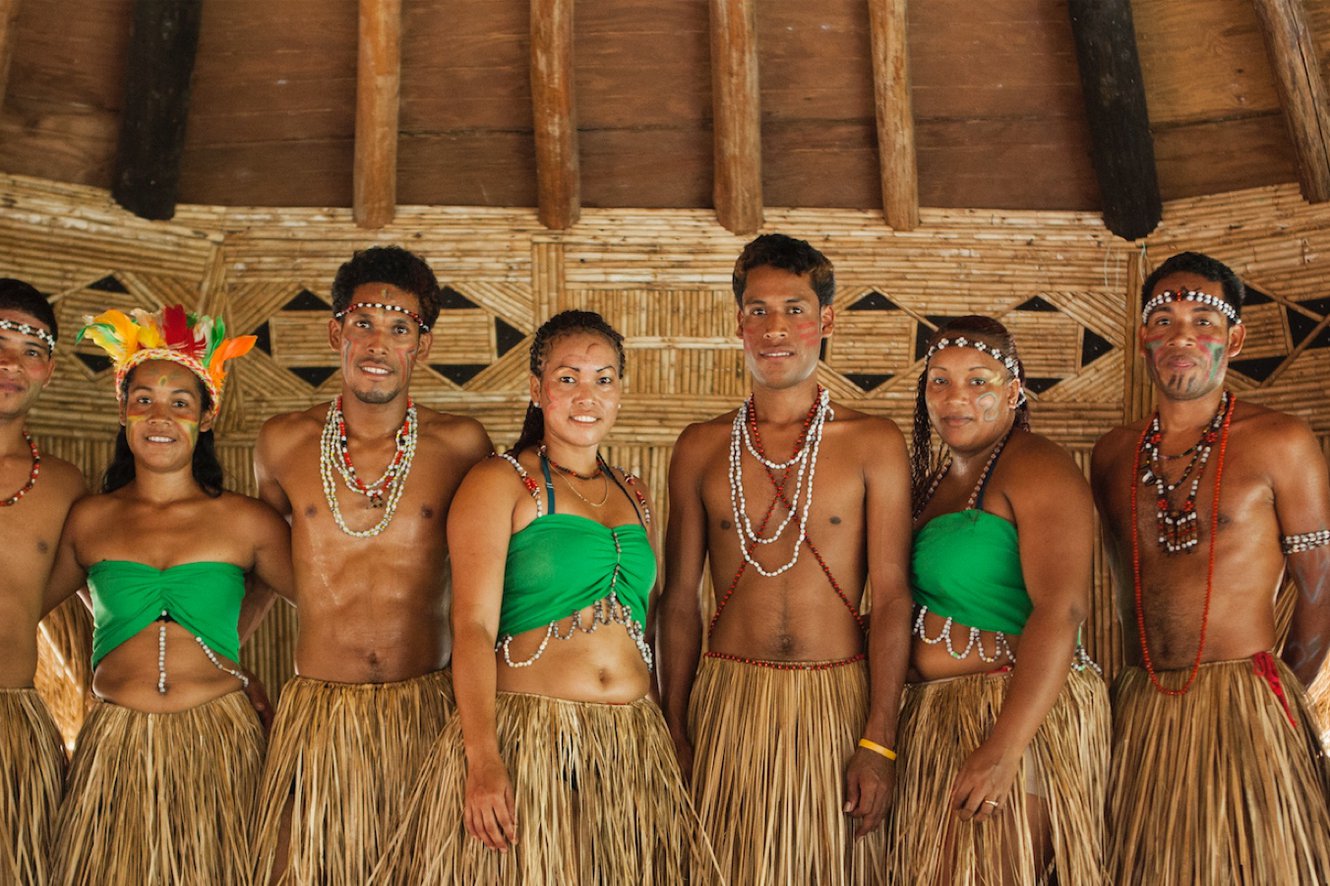
Meet the Kalinago people
Dominica is one of the few islands which is still home to indigenous people.
Originally known as Caribs, the Kalinago are believed to have originally come from South America and represent the last remaining tribe of the pre-Columbian Carib Indians, going back to about 3,000 BC. Visit the Kalinago Territory at Barana Autê on Dominica's east coast to learn about their culture, history, and traditions. Tours include cultural performances, and visitors can buy hand crafted products and enjoy local food.
One of the most striking landmarks here is L'Escalier Tête Chien, a staircase carved into the cliffs, believed to be the path made by a mythical serpent. A descent leads to the amazing spectacle of natural pool formed by crashing waves.
WHERE TO STAY
There is a variety of accommodation choices on Dominica, from luxurious eco lodges to simple guest houses, hotels and homestays. There are no all-inclusive hotels, but the island is setting new standards in sustainable luxury with top resorts such as Coulibri Ridge in the south of the island and Rosalie Bay Resort & Spa.
.jpg)
ABOUT DOMINICA
Dominica is located in the eastern Caribbean, between Guadeloupe and Antigua to the north, and Martinique and St Lucia to the south.
Flights from the UK with luggage sent directly to Dominica are available with British Airways and Virgin Atlantic. All BA and Virgin flights require a change of plane in either Barbados, Antigua, St Lucia or Miami.
Dominica is building a new international airport, which will connect directly to the USA and Europe by 2027.
