

Music Builds Smarter Brains
Engaging with music, especially learning to play an instrument or sing, activates nearly every area of the brain at once. This neural workout boosts critical thinking, memory, and language skills.
A long-term study by the University of Southern California's Brain and Creativity Institute has demonstrated that music training has a significant impact on brain development in children. Now in its fourth year, the research reveals that children who receive regular music instruction demonstrate stronger auditory processing abilities, including better pitch perception and production, as well as more advanced development of the brain's auditory pathways.
Additionally, these children show improvements in cognitive functions, including working memory and self-control, which is supported by increased activity in the prefrontal cortex, the area responsible for executive functions such as attention and decision-making.
And it's not just about hearing and rhythm. Learning music strengthens the brain's executive function. That means better attention control, impulse regulation, and problem-solving, all of which are key to academic success.
The Magic of Piano
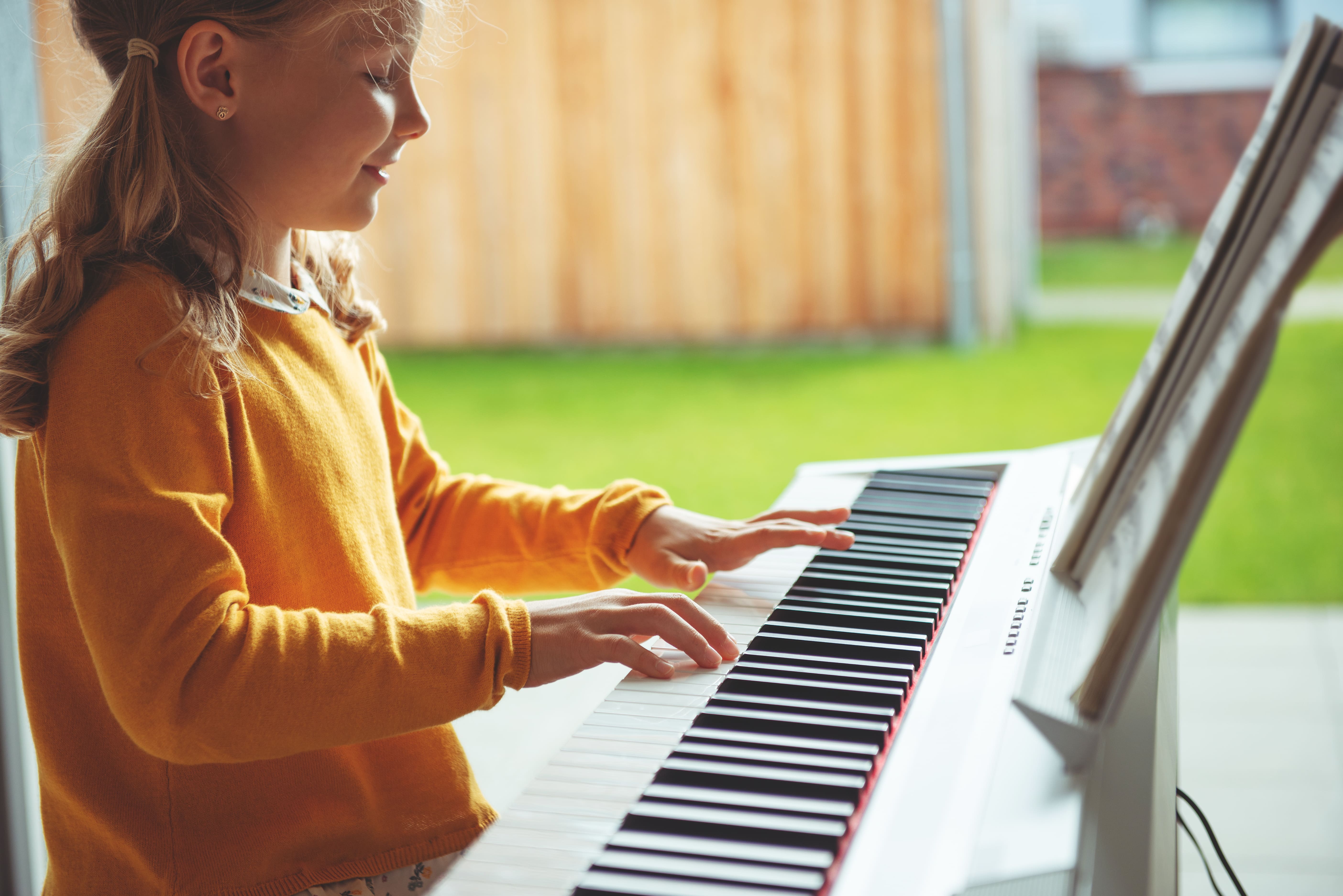
Among all instruments, the piano stands out as one of the most developmentally rich choices for children. Its layout and technique require both hands to move independently yet in harmony, strengthening bilateral coordination and stimulating activity across both hemispheres of the brain.
From a physical point of view, learning the piano is a gentle but effective workout for the hands and arms. It builds finger strength, dexterity, and flexibility, which support not only fine motor skills but also the endurance needed for writing, drawing, and other manual activities. The controlled pressure required to produce different dynamics, from soft, flowing melodies to bold, powerful chords, helps children develop refined muscular control and a sense of physical nuance.
Emotionally, the piano offers a uniquely expressive outlet. Because it can convey such a wide range of tones and dynamics, children can channel their feelings into sound — from joy and excitement to reflection and calm. This form of self-expression can be deeply therapeutic, helping children process emotions they might not yet be able to verbalise. Over time, the process of learning, practising, and performing pieces fosters resilience and perseverance, as they experience the satisfaction of overcoming challenges and the pride of sharing their music with others.
The piano's versatility also supports creative confidence. Children can explore classical pieces, pop songs, improvisation, and even compose their own melodies, making it a lifelong companion in both structured learning and free play. Combined with its visual layout — which helps beginners quickly connect what they hear with what they see and play — the piano becomes not just an instrument, but a bridge between mind, body, and heart.

Why Music Matters
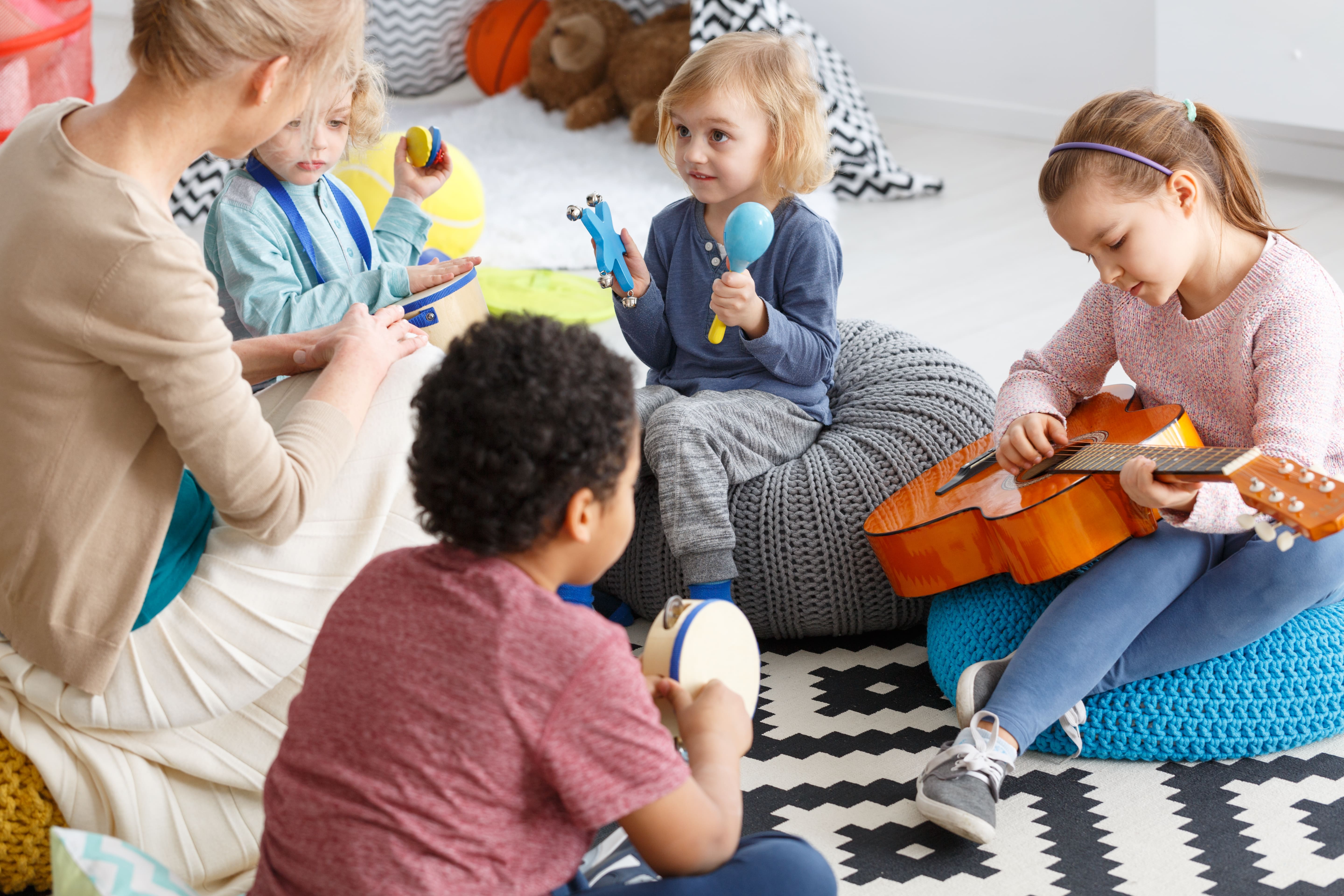
Music education is a gateway to cognitive, emotional, and physical development. Whether it's learning to play the guitar or singing silly songs at home, encouraging your child's musical journey could be one of the most impactful decisions you make for their future.
