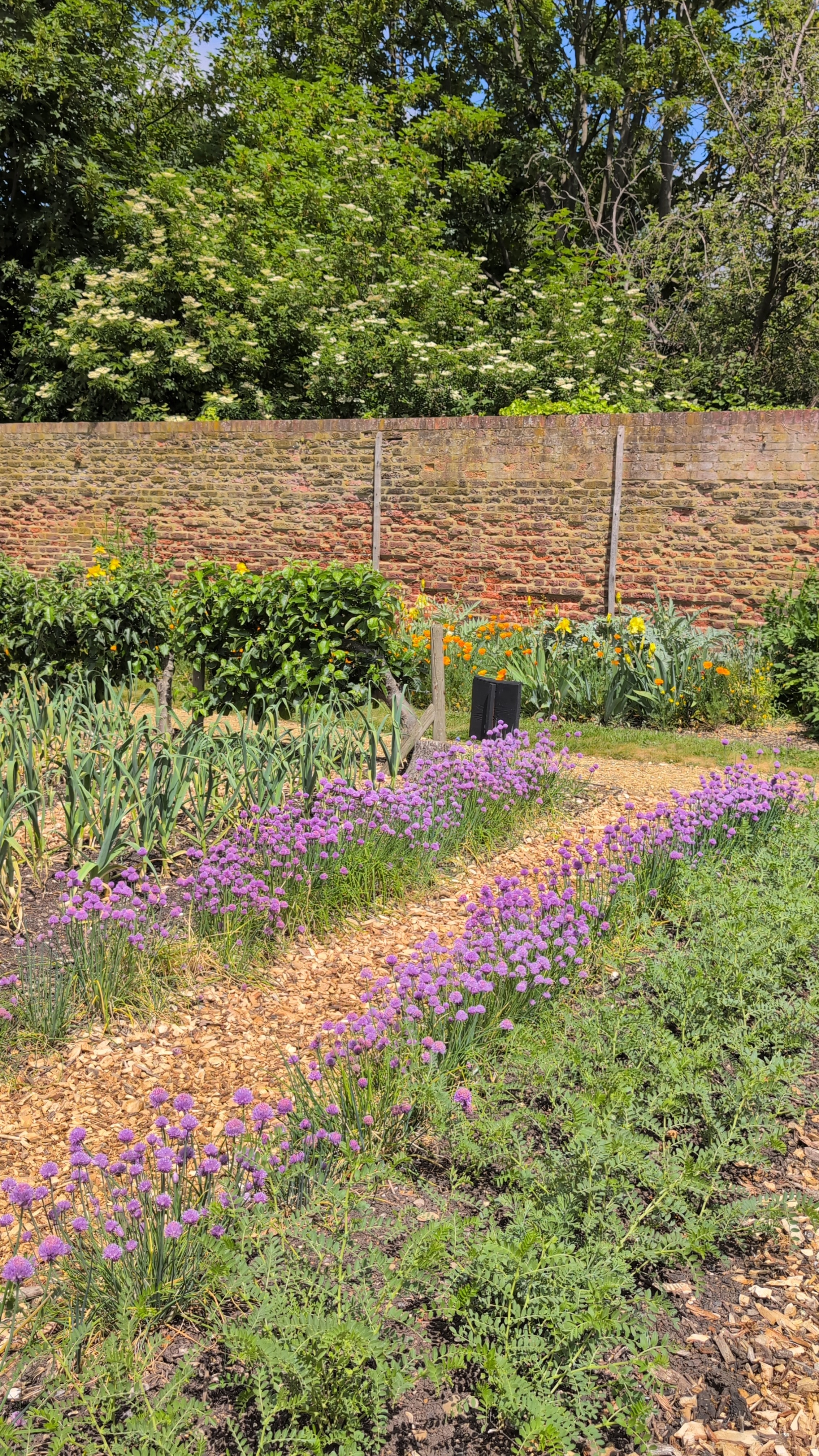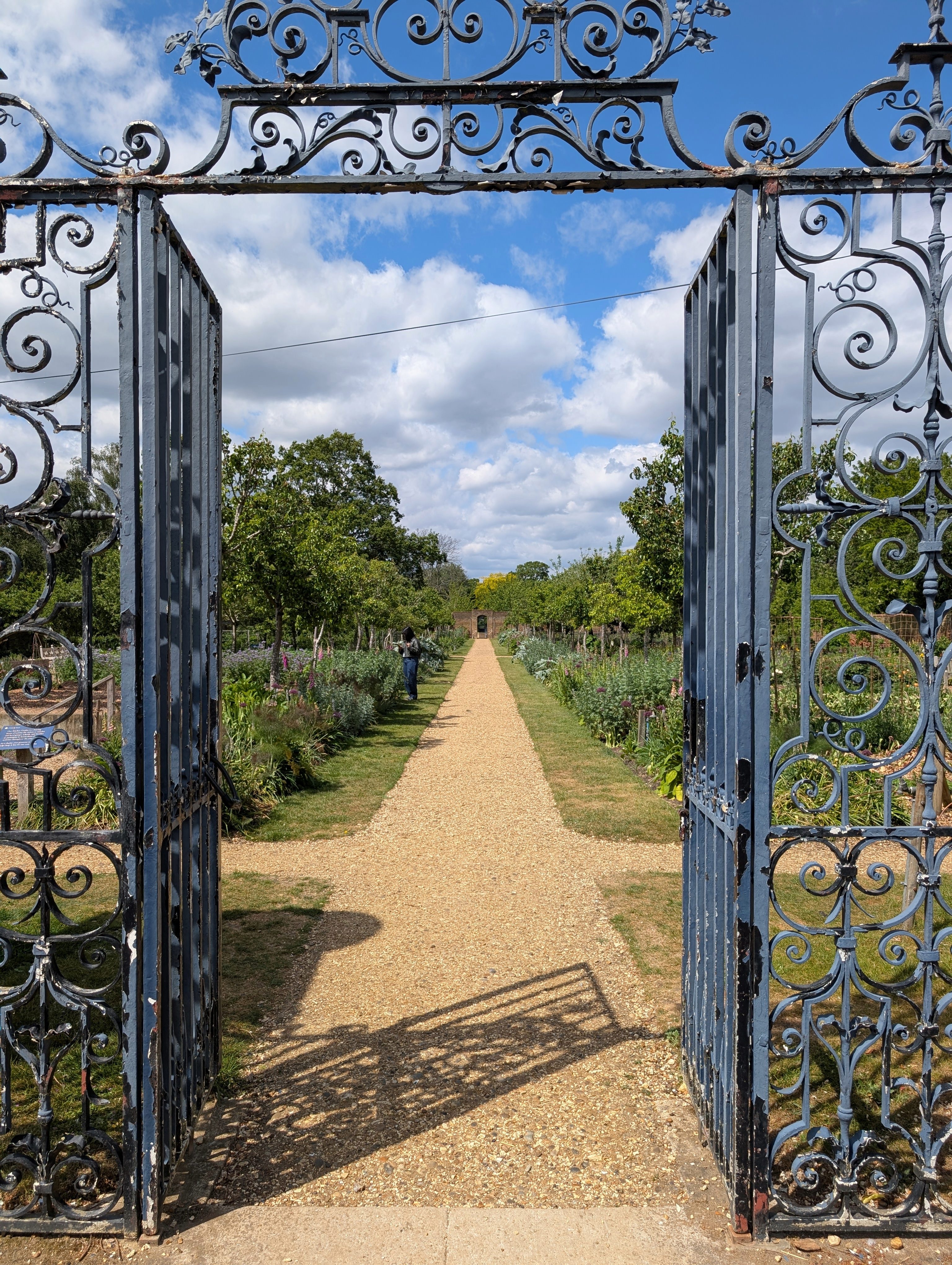
At the centre of it all is Rosie Fyles, Head of Gardens at Chiswick House & Gardens, who, alongside her team, continues to shape the garden into a place that is both beautiful and deeply connected to the community. We spoke with her to learn more about what makes the Kitchen Garden such a special part of Chiswick House & Gardens.

“For us, it’s a really beautiful place that people want to visitand spend time in,” starts Rosie. “It’s free, and it’s open four days a week, and anyone can come in.”
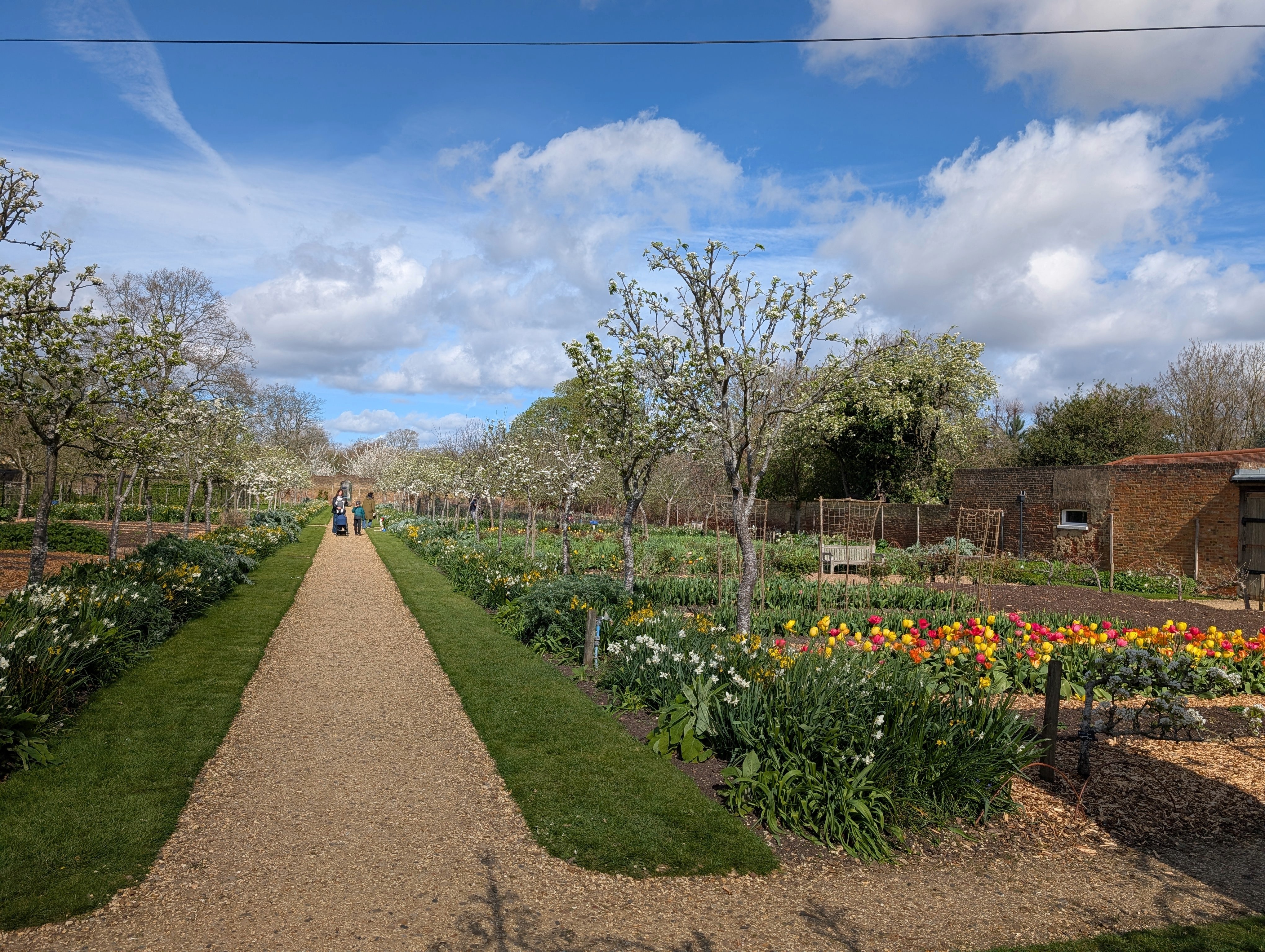
The kitchen garden has become a space for schools, volunteers, community groups and visitors to learn, grow and reconnect with nature. It produces vegetables and flowers, supports educational programmes and creates what Rosie describes as “a different atmosphere” in the middle of London.
“There are over 200 fruit trees in here,” Rosie says. “We wanted to create a garden that has really high horticultural standards, but also for the community, not to have compromises.”
What makes the kitchen garden unusual is the number of roles it plays at once. “It’s not set up to be as absolutely productive per square centimetre as possible,” Rosie explains. “It needs visitor space. It needs to be beautiful and accessible and understandable for people.” The garden grows more than three tonnes of produce a year, with around half donated to community causes. “We donate at least as much as we sell,” Rosie shares.
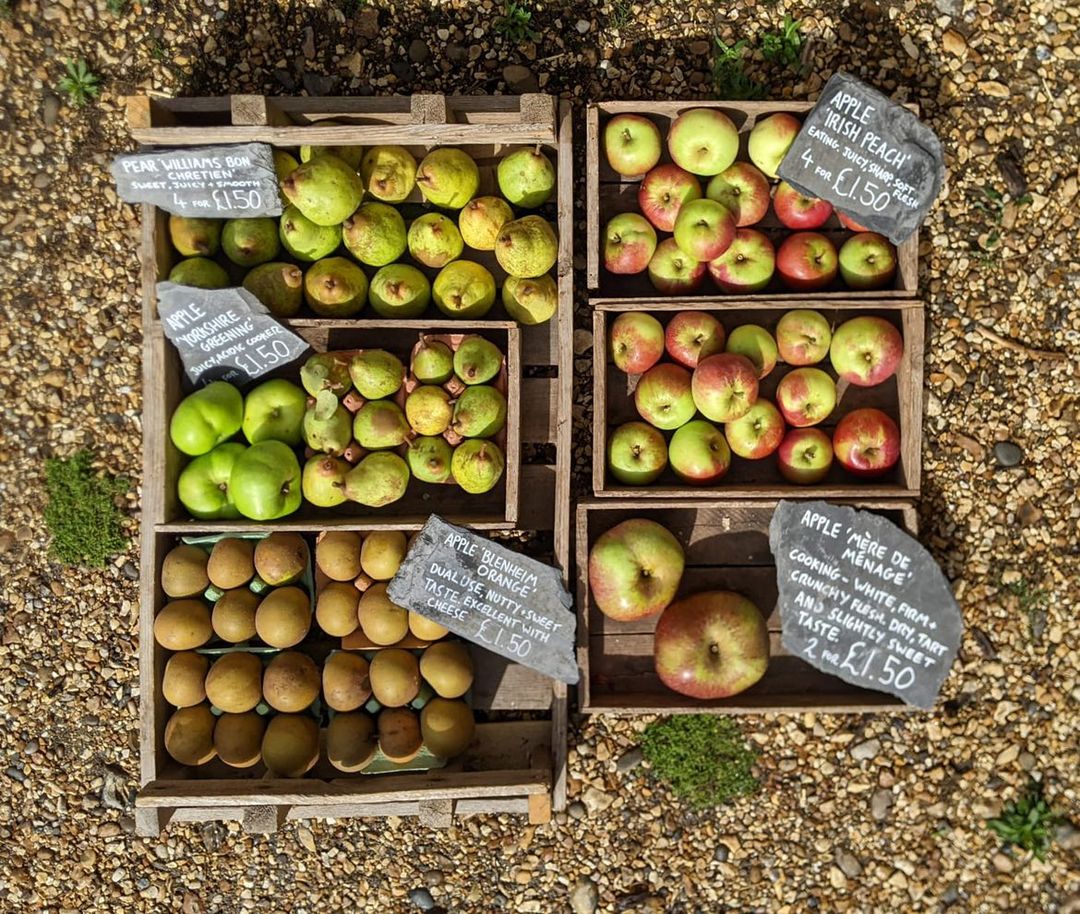
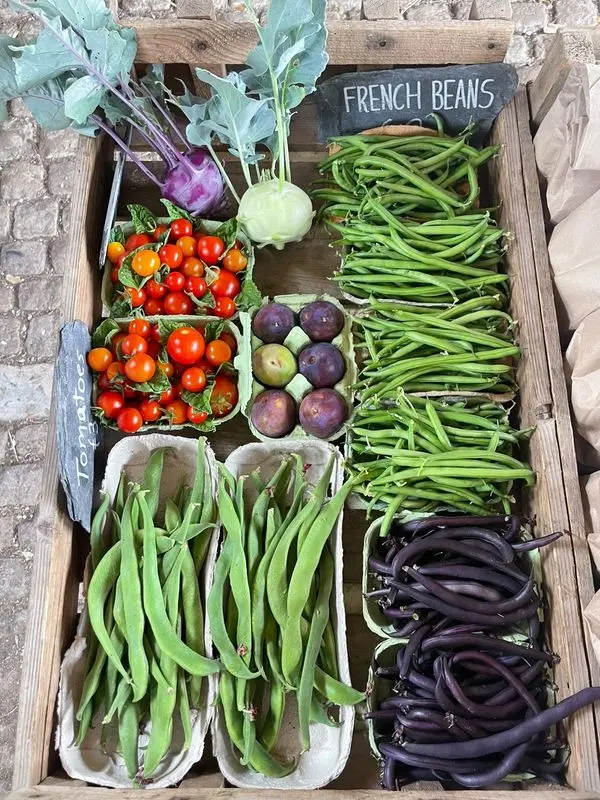
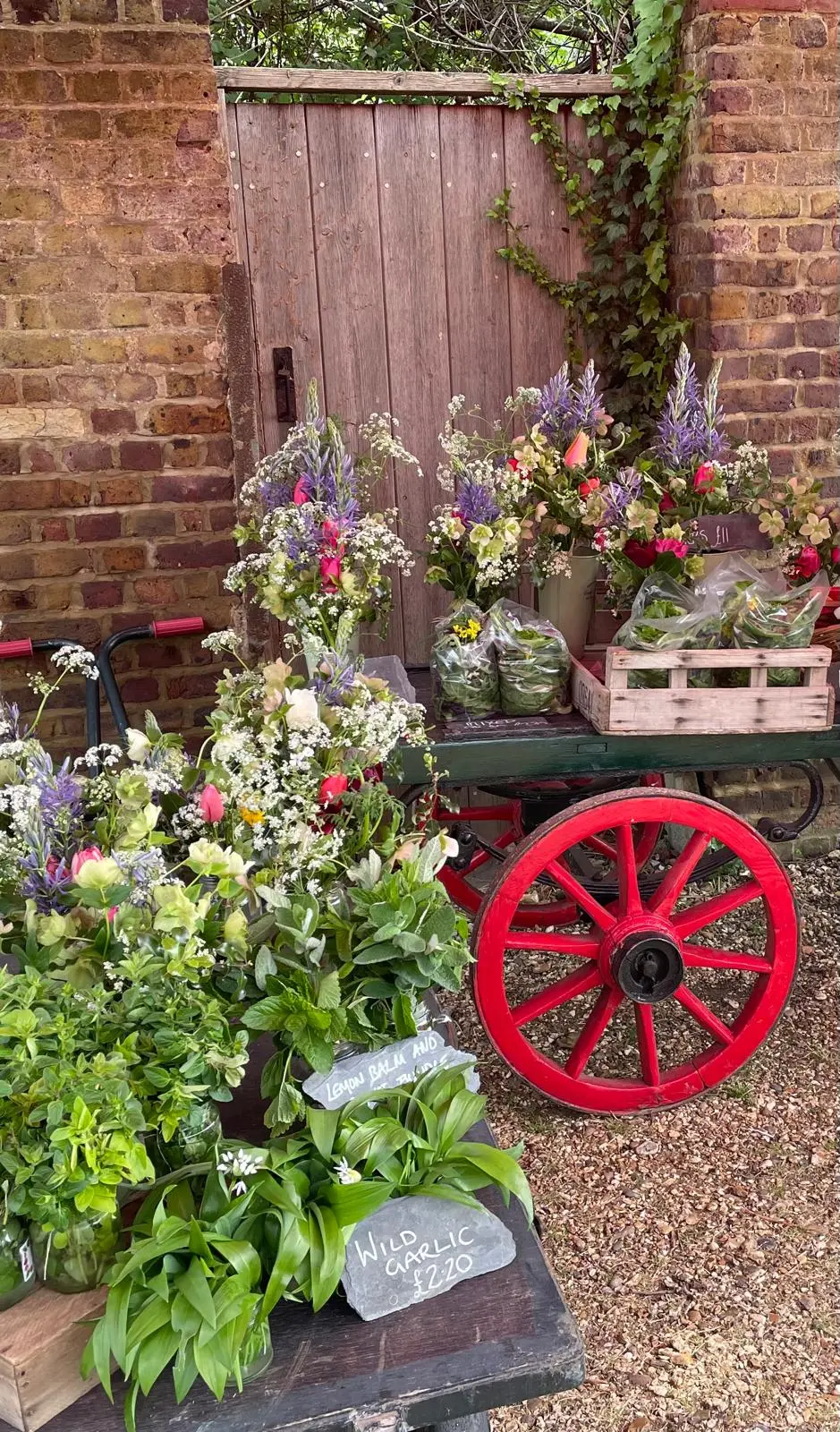
Produce photos provided by The Kitchen Garden
Flowers and produce are sold from a small pop-up stall on Thursdays and Saturdays, while many flowers are also donated to charities. “We’re cutting buckets of flowers for £30, so people can take away a big beautiful bucket of flowers grown here and arrange them however they wish.”
The garden changes through the seasons, from roses and peonies to sweet peas, sunflowers and dahlias. “All the things you’d expect in a British cut flower garden, really.”
The Community at the Heart of the Garden
The garden relies heavily on volunteers and community support. “Our volunteers give us thousands of hours a year,” Rosie explains. “We have volunteers who work on the productive side, edible side, and people who work with flowers.” The wider community also contributes through memberships, café visits and donations. “Anything that is made in terms of income is ploughed back into the community work, and this garden is at the centre of our community work,” Rosie adds.
School programmes have become an especially important part of the project. “The goal in the next few years is getting up to about 6,000 children a year,” says Rosie. A new learning hub currently under development will allow more school groups and community organisations to use the space. “It’s basically using an area that was otherwise empty and redundant. Now it’s bringing everything together and opening itall up.” The aim is not simply to teach gardening, but to reconnect children with how food grows.
Sustainability and Organic Growing
Sustainability is deeply woven into how the garden operates. “The whole of the gardens now is operated on organic principles,” Rosie tells us.
The kitchen garden uses no-dig methods, avoids chemicals wherever possible, and focuses on creating a circular system where waste becomes part of the growing process. “Anything that is a weed or a log or anything like that is used in another way and eventually creates better soil,” Rosie explains. Rainwater is collected from surrounding roofs and stored for irrigation, while pollinators are encouraged through planting and beekeeping projects. “We have beehives over the other side of the wall, and this year we’re trialling school groups coming in and working with our beekeepers,” says Rosie.
A Space to Slow Down
For Rosie and the garden team, one of the most rewarding moments is seeing visitors experience the space for the first time. “The best thing is when you see a little kid come in and something just makes them go, ‘Wow.’ I would love people to just think they’ve visited a beautiful place where it feels like you’ve entered a different atmosphere.”
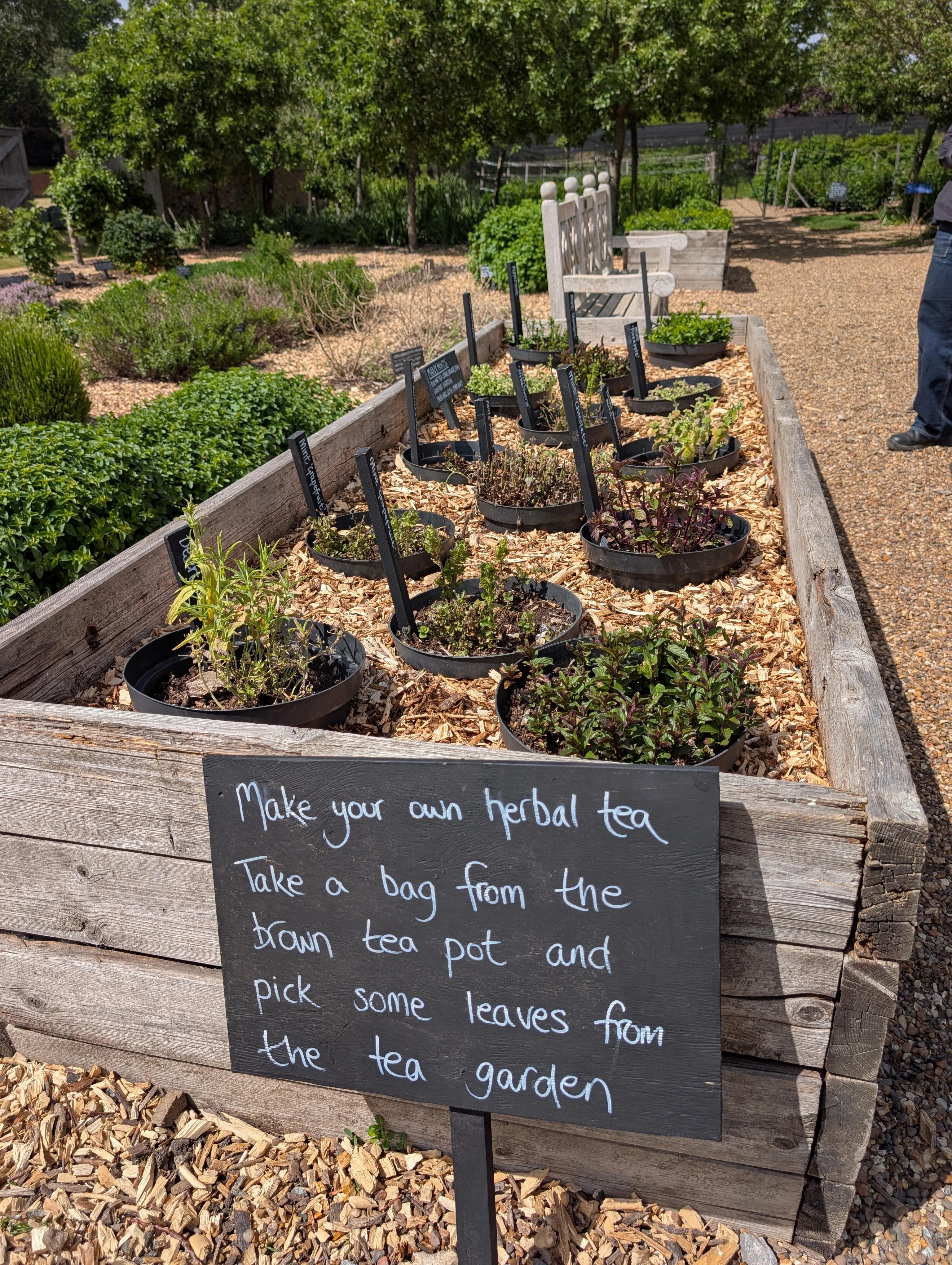
Even regular visitors often discover something new — whether it’s the tea garden with more than 16 varieties of mint, the flower borders, or simply the quietness of the space.
As the garden continues to grow, Rosie hopes more people will discover it. “We’re just trying to create a lovely place for people,” she says.
And perhaps that’s the simplest way to describe the kitchen garden. A place where flowers are cut by hand, vegetables are shared, volunteers gather around tea tables built from reclaimed wood, and children stop in the middle of a path just to stare at a rose.
If you are looking for fresh fruit and vegetables, or a beautiful bouquet-style gift straight from the garden, head to the Kitchen Garden every Thursday and Saturday to explore the seasonal produce and hand-cut flowers grown on site. The space is also available to hire for private events, offering a unique setting surrounded by flowers, fruit trees and historic gardens.
Visit The Kitchen Garden