
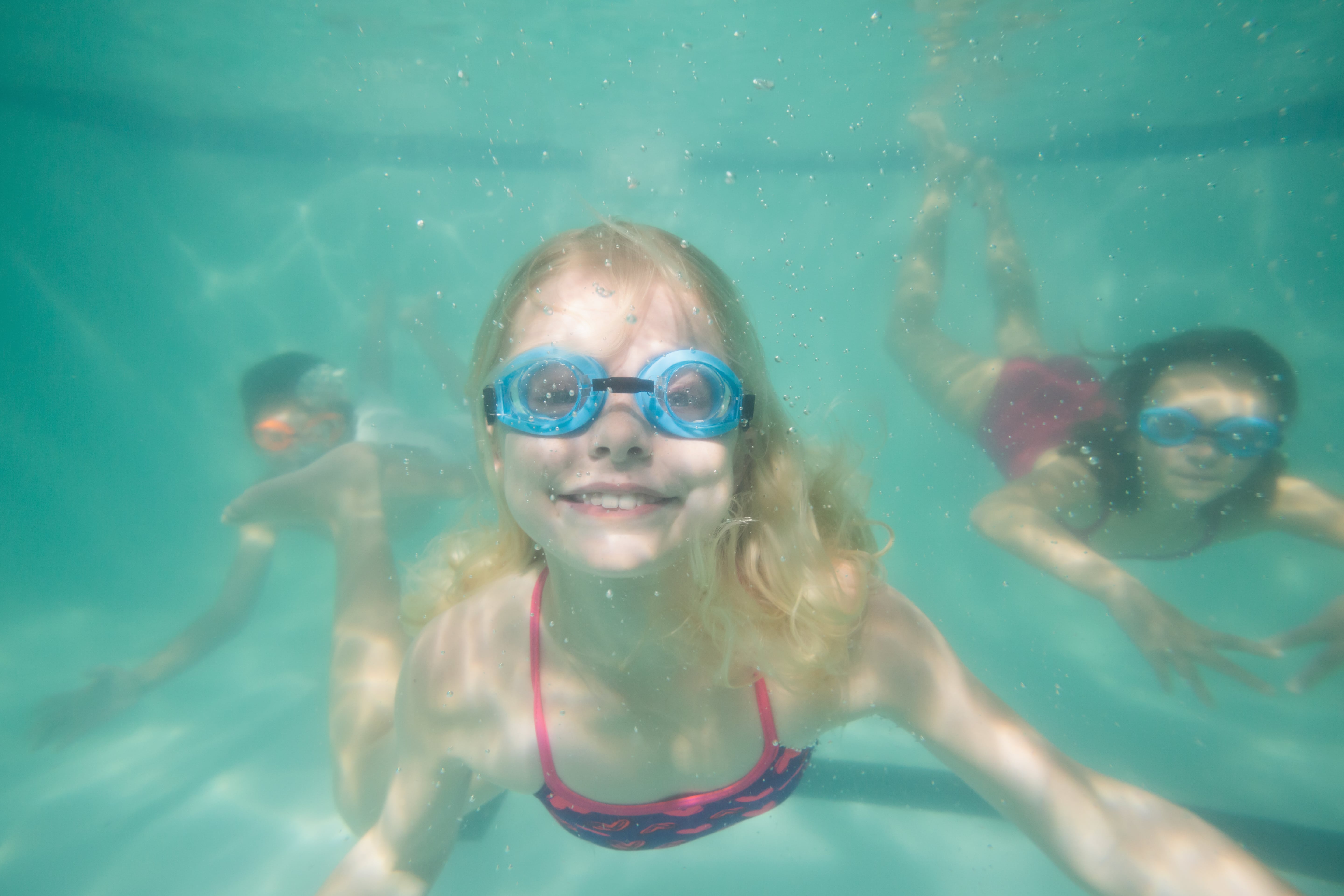
Swimming Shapes a Sharper Brain
Swimming is one of the few physical activities that stimulate both hemispheres of the brain simultaneously. That’s because it requires a unique blend of rhythmic, cross lateral movements - like coordinating arms and legs - while maintaining controlled breathing and spatial awareness. This bilateral stimulation builds neural pathways that strengthen functions like language, reading comprehension, and memory.
In fact, a study by the Griffith Institute for Educational Research found that children who participated in swimming lessons from a young age reached cognitive milestones significantly earlier than their non swimming peers. These children showed advanced skills in literacy, numeracy, story recall, and even following instructions. Swimming turns out to be more than just great exercise - it’s a brain booster.
Building Strength, Coordination, and Confidence
Swimming works every major muscle group, but unlike many land sports, it’s low impact - meaning young joints are protected while muscles strengthen. Kicking, gliding, floating, and paddling all enhance gross motor skills, balance, and core stability.
These physical gains don’t stop at the pool’s edge. Improved posture, stronger lungs, and better body coordination contribute to everyday tasks like climbing stairs, writing, and sitting upright at a desk. Plus, swimming improves cardiovascular health and builds endurance from an early age.
Parents often notice other shifts too: children who swim regularly tend to sleep better, eat more steadily, and show improved behaviour regulation - thanks to the natural calming effects of water-based movement.
Emotional Strength and Lifesaving Skills
Water can feel intimidating to young children - but that’s precisely what makes swimming so empowering. Every step of progress, from putting a face underwater to learning back floats, offers a chance to overcome fear and build confidence.
This process teaches children that growth takes courage and that failure is simply a step toward success. These are lifelong lessons. Children who swim often show greater self-confidence, independence, and emotional resilience.
And while swimming supports healthy emotions, it’s also a skill that can literally save lives. Drowning is still one of the leading causes of accidental death in young children. Learning to swim equips kids with not just strength and technique - but calmness and awareness in critical situations.
Learning to Swim Together: Social Growth and Teamwork
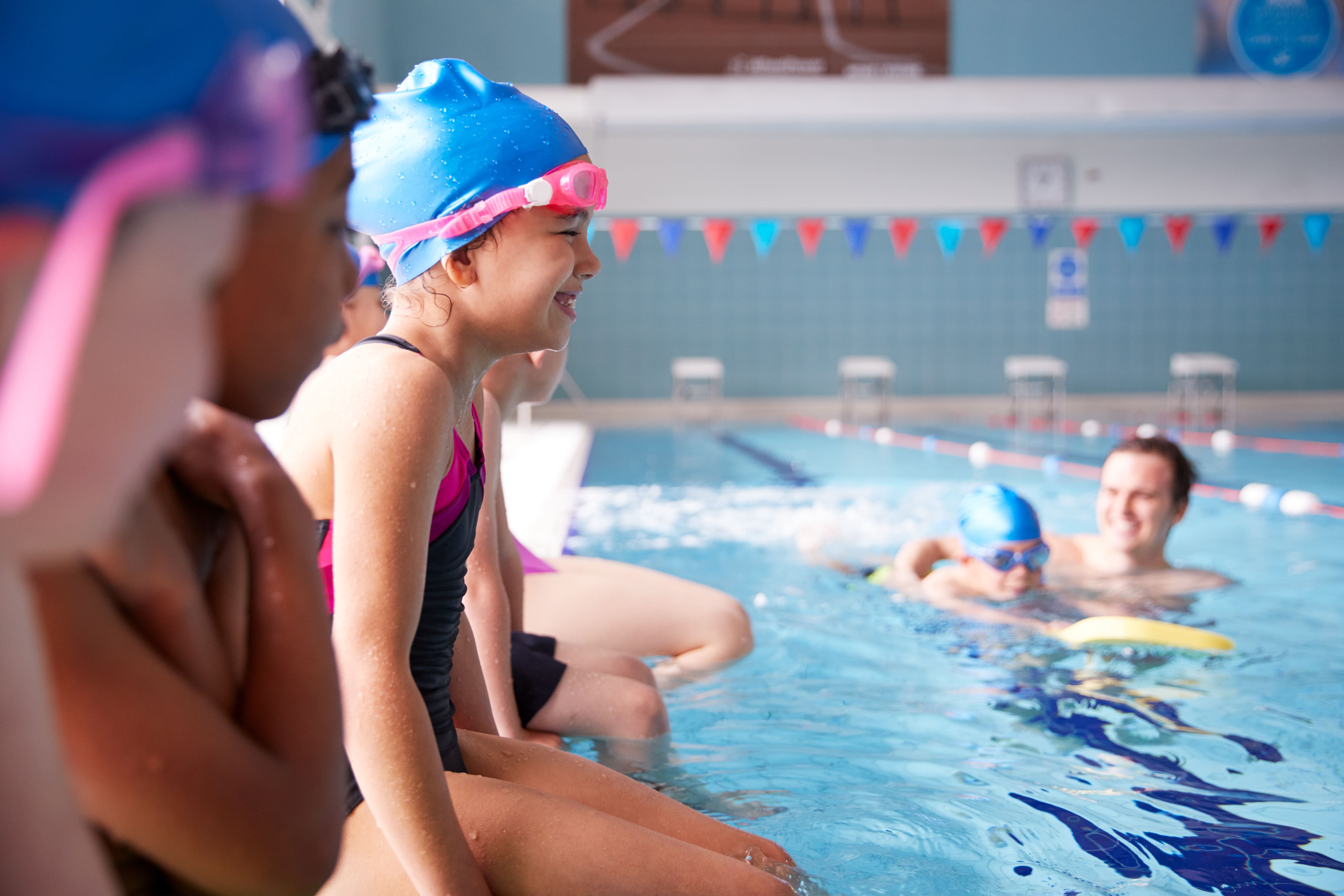
While swimming can be practiced solo, group lessons offer rich opportunities for social learning. Children practice patience while waiting their turn, learn to listen attentively to instructors, and encourage their peers.
These interactions build communication skills and a sense of belonging. When kids cheer each other on or help a nervous friend take their first leap off the edge, they’re also developing empathy and teamwork - key qualities that will serve them well at school and beyond.
Whether it's splashing in a toddler swim group or practicing strokes in a more structured class, the pool becomes a shared space of growth and connection.
Why Swimming Matters
Swimming is a powerhouse of developmental benefits. It supports your child’s physical health, sharpens their thinking, strengthens emotional regulation, builds confidence, and teaches a skill that could save their life. And best of all? Kids love it. Getting your child in the water is one of the best ways to support their journey toward a healthy, balanced, and confident life.
