

Gymnastics and Brain Development
Gymnastics, with its unique focus on physical movement, plays a crucial role in how a child’s brain grows. The coordination, balance, and quick decision making required in gymnastics strengthen neural connections in the brain. Studies have shown that children who engage in structured physical activities like gymnastics develop better memory, focus, and problem-solving skills. The combination of movement and mental processing in gymnastics helps improve spatial awareness and motor planning, which are key to academic skills like handwriting and reading. The brain’s ability to form new connections—known as neuroplasticity—is significantly enhanced through activities that involve complex movement patterns, making gymnastics a powerful tool for cognitive development.
Building Strength, Flexibility, and Coordination
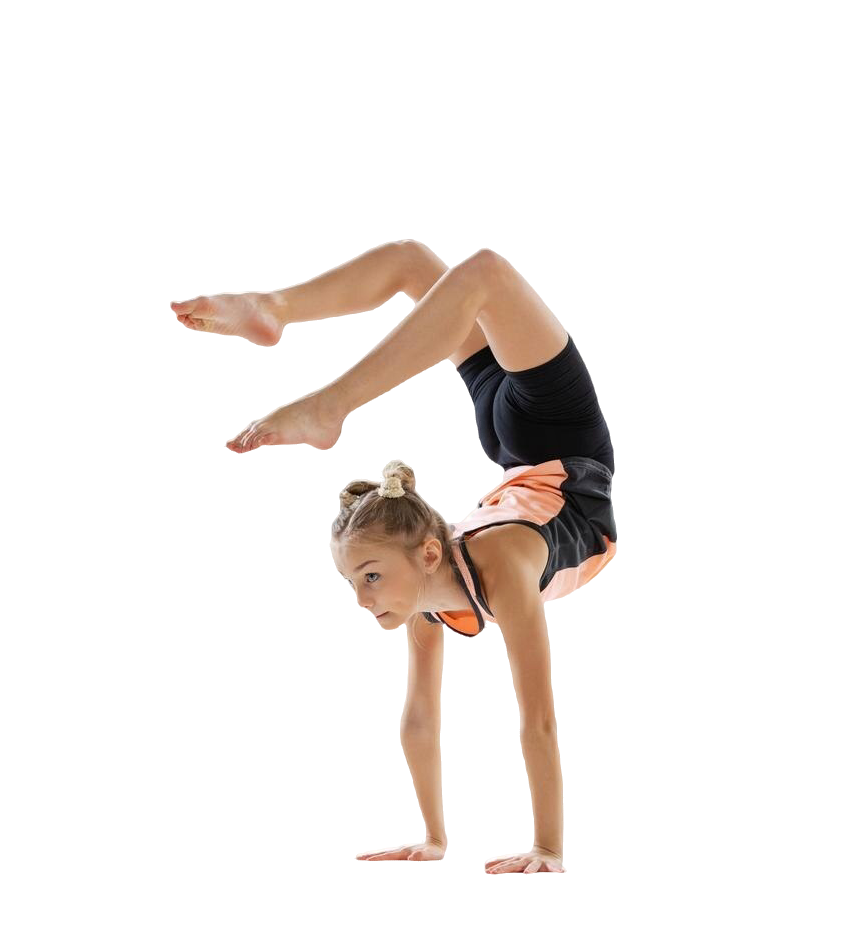
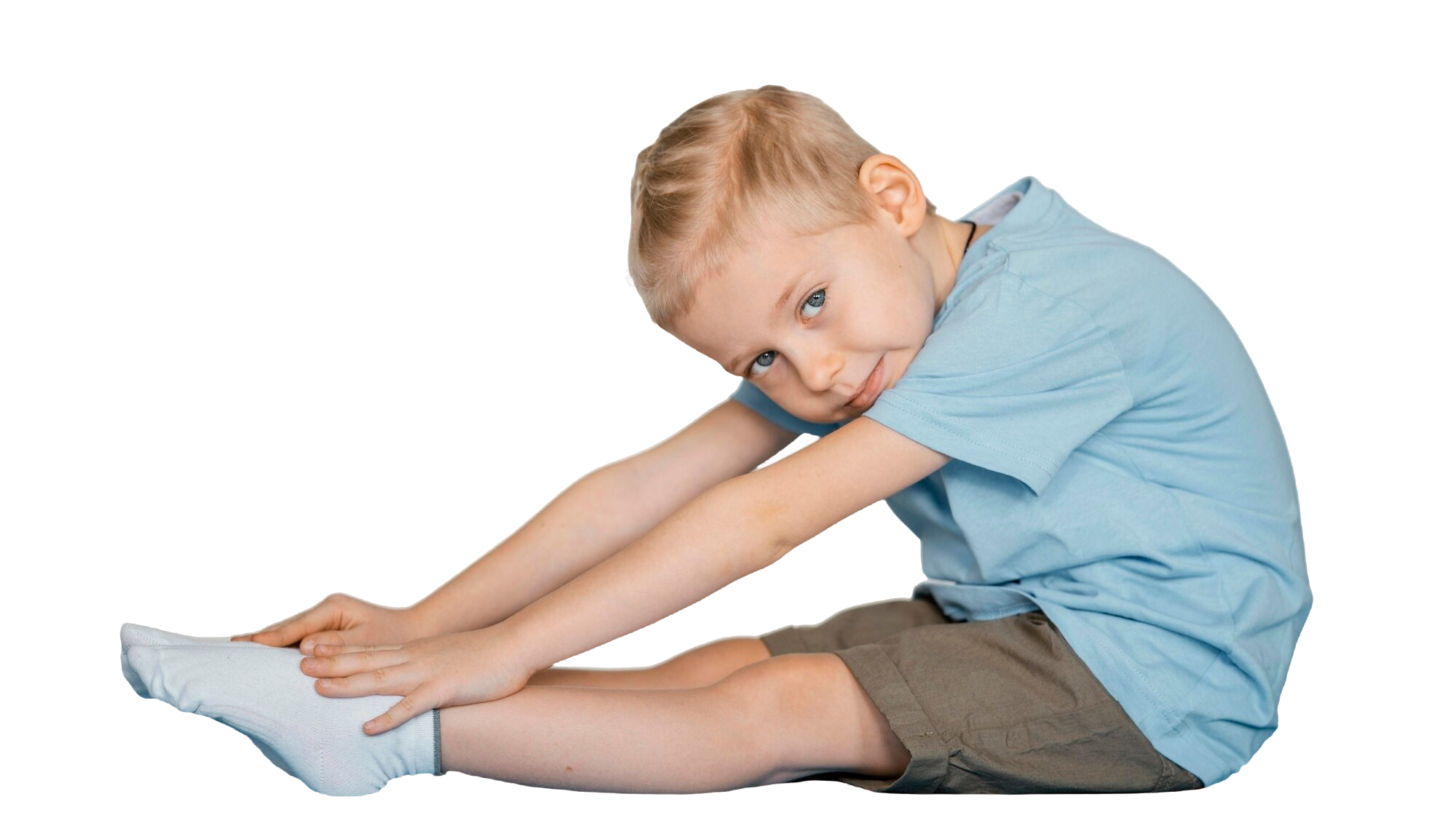
Young children are in a critical period of physical development, and gymnastics provides a well-rounded workout that benefits their entire body. Unlike sports that focus on one particular skill, gymnastics enhances strength, flexibility, and coordination all at once. The various movements involved—jumping, balancing, rolling, and stretching—help build strong muscles and bones, reducing the risk of injury and promoting long-term physical health. Gymnastics is also an excellent way to improve posture and core strength, which not only supports physical activities but also contributes to better focus and endurance in school.

Confidence, Discipline, and Social Growth
One of the most significant benefits of gymnastics is its impact on a child’s self-confidence. Learning a new skill— whether it’s a simple forward roll or a more advanced balance routine—gives children a sense of accomplishment and boosts their self-esteem. This confidence carries over into other areas of life, helping them face challenges with resilience. Gymnastics also teaches discipline and focus, as children must follow instructions, practice patience, and work toward goals. Though it may seem like an individual sport, gymnastics is often practised in a group setting, encouraging social interaction, teamwork, and the ability to support and celebrate others. These experiences help children develop important social skills that will benefit them throughout their lives.
Why Parents Love Gymnastics for Their Kids
Many parents notice positive changes in their children after starting gymnastics. Not only does it help with strength and coordination, but it also improves focus, emotional resilience, and social skills. In today’s digital age, where children are often drawn to screens, gymnastics provides an active and engaging alternative that keeps them moving while supporting their overall development. The best part? It’s fun! Gymnastics is an exciting way for kids to stay active, learn valuable life skills, and develop a love for movement that can last a lifetime.
If you’re looking for an activity that will help your child grow in multiple ways, gymnastics is a fantastic choice. Stay tuned for our next article in this series, where we’ll explore another activity that supports childhood development!
